Discover the advantages of implementing slotting in your warehouse to maximize efficiency and streamline operations.
Understanding warehouse slotting
Warehouse slotting is the process of organizing and arranging products within a warehouse in a strategic manner. It involves assigning specific locations or slots to each item based on various factors such as demand, size, weight, and frequency of picking. By understanding warehouse slotting, companies can optimize their storage space and improve overall efficiency.
One of the key aspects of warehouse slotting is analyzing product velocity. This involves categorizing items into different groups based on their rate of movement. Fast-moving products that are frequently picked should be placed in easily accessible slots near the picking area, while slow-moving items can be assigned to less accessible areas. This helps to minimize travel time and maximize productivity.
Another important factor in warehouse slotting is product size and weight. Heavy and bulky items should be stored on lower shelves to ensure easy retrieval and reduce the risk of accidents. Lighter items can be stored on higher shelves, utilizing vertical space efficiently. By considering these factors, companies can make the most of their storage capacity and create a well-organized warehouse layout.
Optimizing product placement
Effective product placement is crucial in warehouse management. By strategically placing products based on their characteristics and demand, companies can minimize handling time and improve order fulfillment speed.
One strategy for optimizing product placement is the ABC analysis. This involves categorizing products into three categories: A, B, and C. Category A includes high-value items with high demand, while Category C includes low-value items with low demand. Category B falls in between. By placing Category A items in easily accessible slots near the picking area, companies can reduce picking time and ensure faster order fulfillment. Category B items can be placed in the middle zone, and Category C items can be stored in less accessible areas.
Another approach to optimizing product placement is the cross-docking technique. This involves arranging products based on the order of their delivery. Instead of storing products in slots, they are immediately transferred from the receiving area to the shipping area for outbound orders. This eliminates the need for storage and reduces handling time. Cross-docking is particularly beneficial for products with short shelf life or high demand.
Reducing picking and replenishment times
Warehouse slotting plays a crucial role in reducing picking and replenishment times. By organizing products in a logical and systematic manner, companies can minimize the time spent on locating and retrieving items for order fulfillment.
With an optimized slotting system, fast-moving products are placed in easily accessible slots near the picking area. This reduces travel time and allows pickers to quickly locate and retrieve items. In addition, slotting helps to reduce replenishment times by ensuring that products are stored in appropriate locations. When stock levels are low, replenishment can be done more efficiently as the location of each item is clearly defined.
Furthermore, implementing slotting can help companies reduce the risk of errors during picking and replenishment. By assigning specific slots to each product, the chances of mistakenly picking the wrong item or placing it in the wrong location are significantly reduced. This leads to improved order accuracy and customer satisfaction.
Enhancing order accuracy
Order accuracy is crucial for customer satisfaction and retention. By implementing slotting in the warehouse, companies can enhance order accuracy and minimize errors.
With a well-organized slotting system, pickers can easily locate and retrieve the correct items for each order. The clear assignment of slots to specific products reduces the chances of picking the wrong item. Additionally, slotting helps to maintain inventory accuracy by ensuring that products are stored in their designated locations. This reduces the risk of misplaced or lost items, resulting in more accurate inventory counts and order fulfillment.
Moreover, slotting can help companies implement better quality control measures. By assigning specific slots for products with expiration dates or specific storage requirements, companies can ensure that these items are properly managed and rotated. This reduces the risk of selling expired or damaged products, improving overall order accuracy and customer satisfaction.
Improving overall warehouse efficiency
By implementing slotting in the warehouse, companies can significantly improve overall efficiency and streamline operations.
A well-organized slotting system reduces the time spent on locating and retrieving items, leading to faster order fulfillment and reduced labor costs. It also maximizes the use of storage space, allowing companies to store more products in the same area. This eliminates the need for additional warehouse space and reduces rental costs.
In addition, slotting helps companies optimize their inventory management. By categorizing products based on their characteristics and demand, companies can identify slow-moving items and take appropriate actions such as reducing stock levels or implementing promotional strategies. This improves inventory turnover and reduces the risk of overstocking or stockouts.
Overall, implementing slotting in the warehouse is a strategic approach to maximize efficiency, improve order accuracy, and enhance customer satisfaction. It allows companies to make the most of their resources and create a well-organized, productive warehouse environment.

 GL
GL
 SA
SA EG
EG UAE
UAE ZA
ZA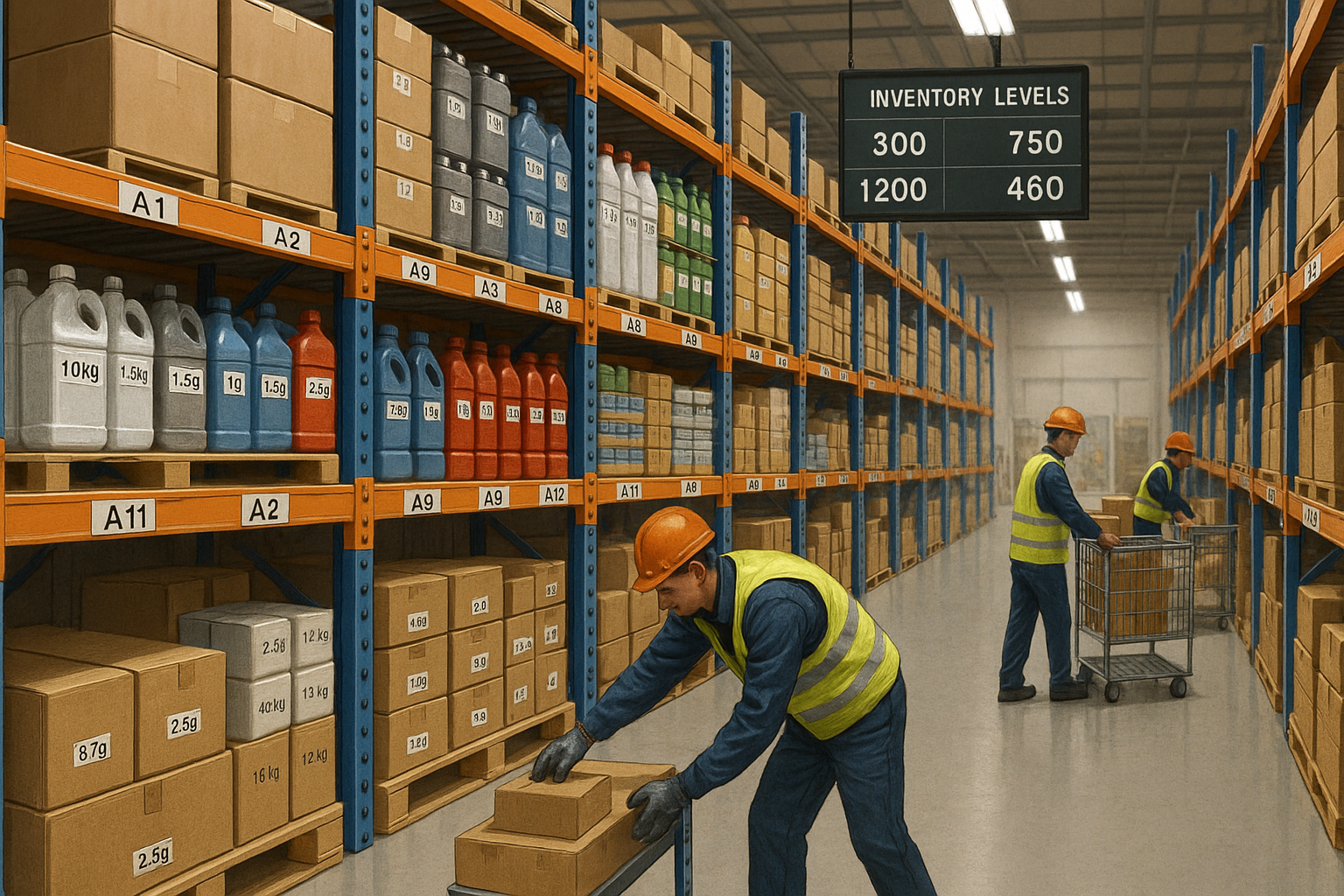



 Download case study